
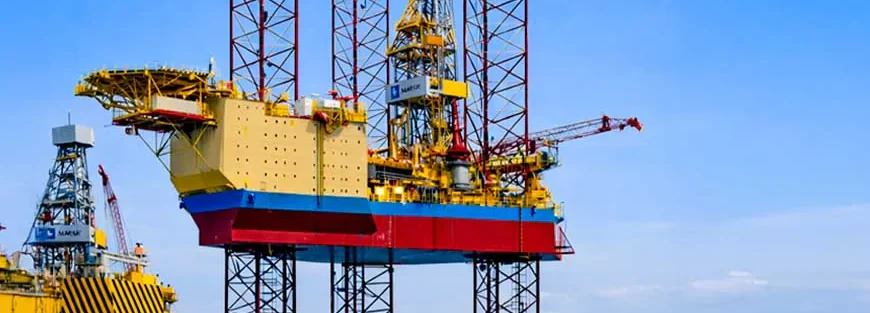
Bunkering Coordination in Egyptian Ports: Key Operational Considerations
Bunkering operations in Egyptian ports require precise coordination, regulatory awareness, and strict scheduling alignment. Whether in Alexandria, Suez Canal transit ports, or Red Sea terminals, delays in fuel supply can directly affect vessel turnaround time and overall operational efficiency. Understanding how bunkering coordination works at the local level helps ship owners, operators, and technical managers minimize risk, avoid unnecessary downtime, and maintain smooth port operations.1. Port Scheduling & Berthing Windows
Bunkering in Egypt depends heavily on berth allocation, anchorage permissions, and port traffic density. Effective coordination with port authorities and marine control offices ensures that fuel delivery is aligned with the vessel’s ETA and operational constraints. Proper planning reduces waiting time and prevents overlap with cargo handling, pilotage movements, or other port activities.2. Documentation & Compliance
Fuel supply in Egyptian ports typically requires:- Vessel particulars confirmation
- Fuel specifications alignment
- Delivery notes and compliance documentation
- Port authority clearance
3. Supply Chain Coordination
Successful bunkering depends on synchronized communication between all involved parties, including:- Bunker suppliers
- Port authorities
- Vessel crew
- Operations teams
4. Risk Reduction Through Planning
Common risks during bunkering include:- Timing miscalculations
- Fuel specification mismatches
- Berth changes
- Weather-related disruptions
2 Comments
Riva Collins
It’s no secret that the digital industry is booming. From exciting startups to need ghor
global and brands, companies are reaching out.
Obila Doe
It’s no secret that the digital industry is booming. From exciting startups to need ghor hmiu
global and brands, companies are reaching out.